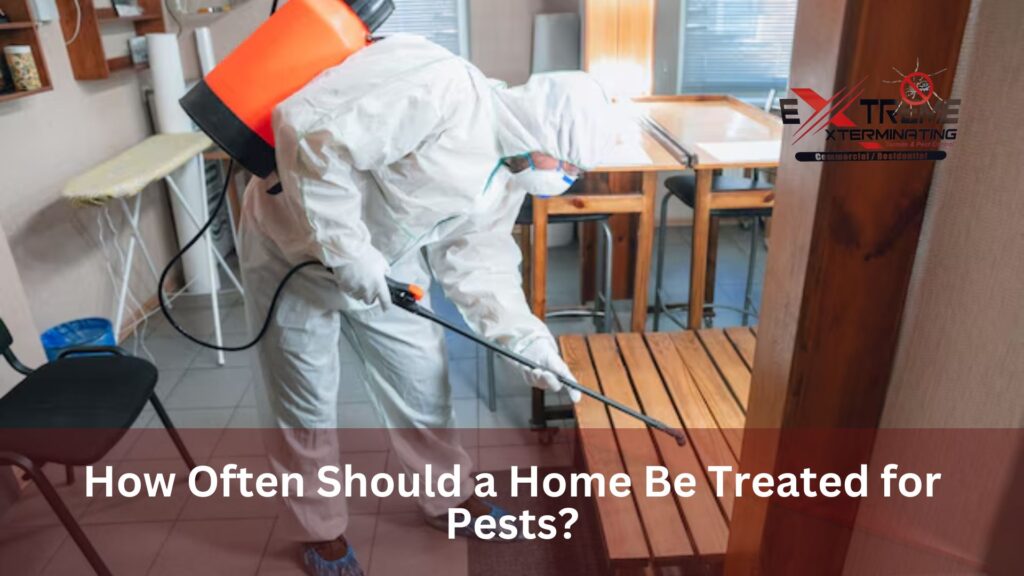
Pests are a part of life, but they should never take over your space. Homes and businesses deal with insects and rodents every year. Some of them cause damage or spread germs. Pest control Pearland helps keep these problems in check before they get out of hand. No fixed schedule suits everyone. Some properties need frequent treatment. Others only need routine checks.
The right timing depends on what pests are present and how active they are. A clear plan makes a big difference. In this blog, we explain how often a home should be treated for different types of pest infestations. It is important to remember that, in this case, caution is always better than delay.
Why Pest Control in Pearland Matters
Pest problems in Pearland can grow fast if they are ignored. The warm weather makes it easy for pests to stay active most of the year. One mouse can multiply into several within weeks. Cockroaches hide and lay eggs in dark, hard-to-reach places. Termites infest properties quietly and often go unnoticed for months.
Waiting too long gives pests time to settle in and spread. Once that happens, treatment takes more time and costs more. Regular pest control in Pearland helps keep pest numbers low and reduces repeat issues.
It also reduces health risks. Pests leave droppings, saliva, and bacteria behind. These spread across floors, counters, and food areas.
Factors That Affect Pest Control Timing
Several things decide how often pest control is needed:
1. Type of Pest Present
Some pests stay active all year. Others appear during certain months. Termites need long-term checks. Rodents need monitoring, and insects often require repeat visits.
2. Severity of the Infestation
A small issue is easier to manage. Early signs can be treated quickly. A large infestation usually requires more than one visit to resolve fully.
3. Location of the Property
Buildings near open land, drains, or food sources face higher pest activity. Apartments and commercial spaces also see more movement due to shared walls and waste areas.
4. Climate and Weather
Warm weather increases insect activity. Heavy rain pushes pests indoors. Dry periods drive pests toward water sources inside buildings.
5. Age and Condition of the Building
Older buildings often have gaps and cracks. These allow pests to enter easily. Well-sealed properties usually face fewer issues.
General Pest Control Schedule
Most homes and businesses benefit from pest control every three to six months. This schedule helps manage common pests and allows early detection.
Properties with ongoing issues may need more visits. Others may only need inspections and seasonal treatment.
Why Regular Pest Control Helps Prevent Infestations
Stopping pests early saves time and money. Regular visits help identify small problems before they spread.
A pest control professional checks hidden areas and signs that most people miss. Treatment plans are based on real conditions, not guesswork.
Plans usually consider:
- Which pests are active
- How widespread the issue is
- Where pests hide
- Size and layout of the property
- Safety needs for people and pets
This approach keeps pests under control in the long term.
Pest Control Frequency for Common Pests
Each pest behaves differently, and treatment schedules vary based on their habits:
Termites
Termites damage wood and structural parts. They often remain hidden until damage is serious. Many property owners do not notice them right away.
Recommended Termite Schedule: A termite inspection should be conducted annually. Early checks help catch problems before major damage occurs.
If termites are found, treatment should begin immediately. Many properties also benefit from termite barriers to reduce future risk.
Cockroaches
Cockroaches carry germs and bacteria. They contaminate surfaces and food. Their presence can trigger allergies and breathing issues.
Recommended Cockroach Schedule: In areas with high activity, treatment every three to six months works well. Kitchens and storage areas need regular checks. Consistent treatment helps stop breeding cycles and reduces repeat sightings.
Rodents
Rats and mice chew wires, walls, and furniture. They contaminate food and leave droppings behind. Once inside, they rarely go without intervention.
Recommended Rodent Schedule: Rodent control every six months suits most properties. Buildings with open access points may need more visits. Monitoring traps and sealing entry points are key parts of control.
Bed Bugs
Bed bugs move through luggage, furniture, and clothing. Shared buildings face a higher risk. These pests hide well and spread fast.
Recommended Bed Bug Schedule: Properties with frequent travel or shared living spaces benefit from inspections every three to six months. Early treatment keeps infestations small and manageable.
Seasonal Pest Control Considerations
Pest activity changes with the seasons. Treatment plans should adjust as needed:
Warm Seasons
Insects become more active during warmer months. Ants, flies, and cockroaches increase in number. Extra treatments help maintain control.
Cooler Seasons
Rodents move indoors seeking warmth. Sealing gaps and checking entry points becomes more important.
Signs You May Need Pest Control Sooner
Some warning signs mean pests are already active:
- Droppings or grease marks
- Chewed wires or wood
- Mud tubes on walls
- Insects seen during daylight
- Strange smells or scratching sounds
Acting early prevents bigger issues later.
How a Pest Control Plan Is Created
The process starts with an inspection. The technician checks pest activity and entry points. Treatment is based on the technician’s findings. Then our exterminator discusses the plan of action with the client. All the costs are disclosed up front. After the agreement, our exterminator uses a set of environmentally and human-safe measures to rid your space of pests.
As the leading exterminator in Pearland, TX, we ensure pests stay away with follow-up visits.
Keeping Pests Away Between Visits
Simple habits help reduce risk:
- Store food properly
- Remove trash often
- Fix leaks quickly
- Seal cracks and gaps
- Keep outdoor areas clean
These steps support ongoing control.
Conclusion
Pest management yields better results when it is scheduled regularly. Putting off pest control until they have spread only causes you to worry and is more expensive. Having your home regularly checked and treated ensures your house is safe all year long.
Speak with a qualified pest exterminator team at Extreme Xterminating today! As the leading pest exterminator Pearland TX, we will advise you about the best strategies for any infestation.